About NICOT
Our story
How a meeting of five like-minded Nigerians in a family home grew into the Nigerian Community Tees Valley.
The idea to establish NICOT was conceived by Dr Abayomi Opaneye, who was passionate about promoting Nigerian culture and values. He believed that by sharing his culture with others, he could help promote greater understanding and appreciation of Nigerian people and their heritage.
With this vision in mind, Dr Opaneye worked tirelessly to bring together a group of like-minded Nigerians to form NICOT. This group, referred to at the beginning as ‘The Council’, was the driving force behind the creation of the organisation.
From the outset, one principle mattered above all: every Nigerian could be a member, irrespective of religion.
Milestones
From Teesside to Tees Valley
-
21 July 2006
The Council meets
The first meeting takes place at Dr Opaneye’s house. “The Council” agrees the name NICOT — Nigerian Community on Teesside — and its initial objectives, operations and processes.
-
21 January 2007
A constitution is adopted
With more Nigerian expatriates now attending, the NICOT Constitution is ratified and the first Executive Committee is elected.
-
25 March 2007
First Executive Committee meeting
The newly elected Exco meets for the first time to put the constitution into action.
-
15 April 2007
NICOT is inaugurated
NICOT is officially inaugurated at Marton Community Centre, Middlesbrough.
-
2009
A new chapter
Dr Opaneye’s tenure as President ends on his relocation out of the area. Dr Tokunbo Sangowawa is elected President.
-
11 June 2022
Nigerian Community Tees Valley
The organisation is renamed Nigerian Community Tees Valley (NICOT) to recognise and include Nigerians living in Darlington.
Our legacy today
The founding vision lives on
Under Dr Opaneye’s leadership NICOT grew in size and influence, becoming a recognised and respected organisation in the community. Today his legacy lives on in the work of NICOT.
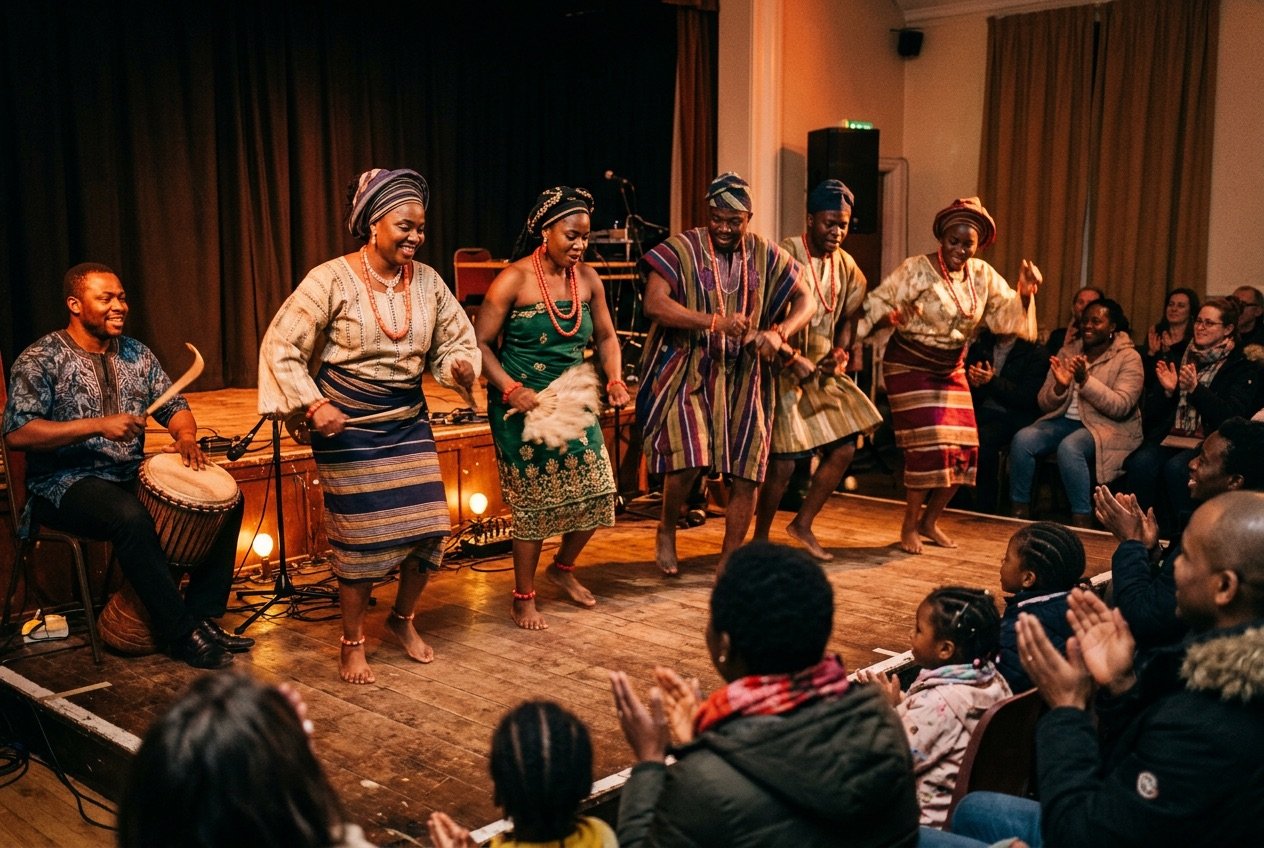
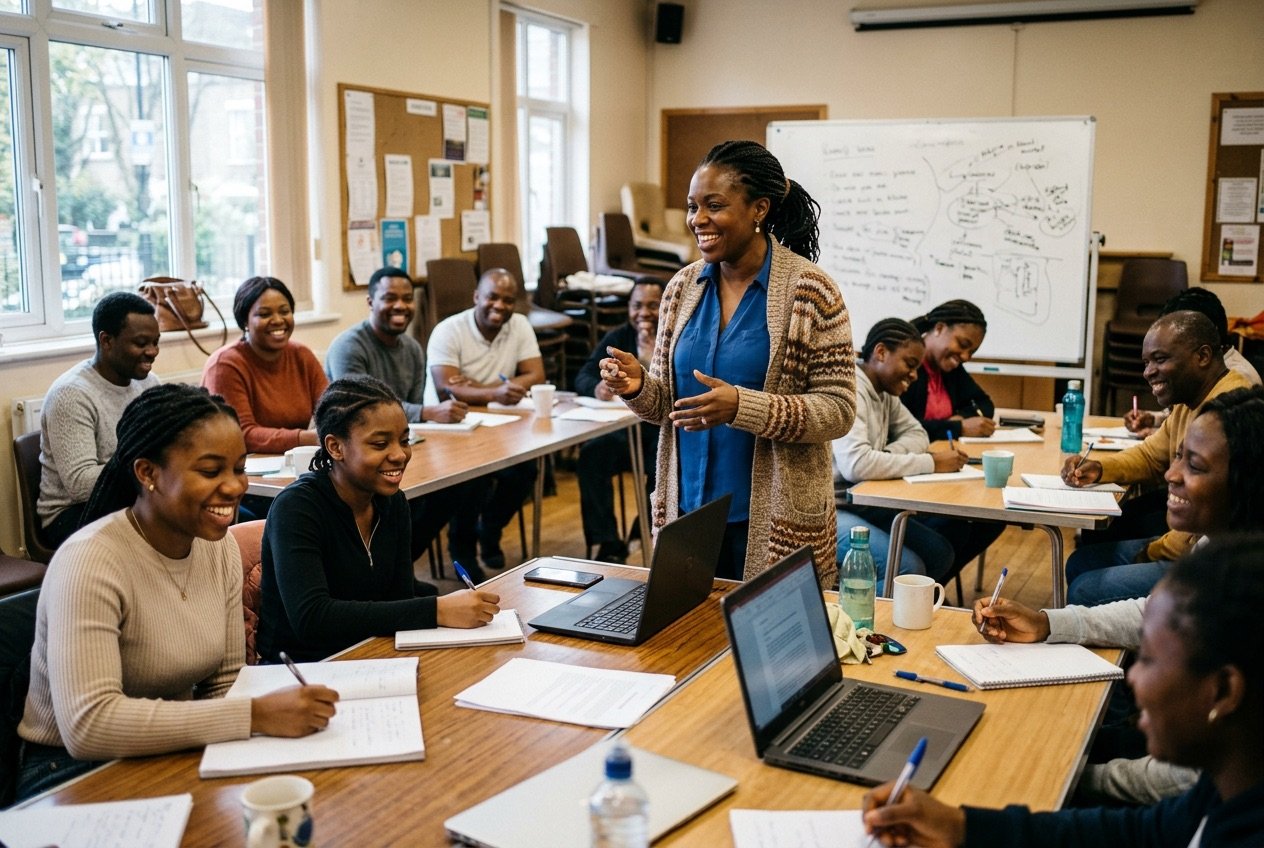
The organisation continues to promote Nigerian culture and values in Tees Valley and beyond — hosting festivals, concerts, workshops and educational programmes — and plays an important role in fostering social cohesion and community integration.
Meet the leaders who carried it forward